
In recent years, the number of victims of fraud involving the misuse of QR codes has been rapidly increasing.
As QR codes are increasingly used in all aspects of our lives, including payments, ordering, and login authentication, attacks that exploit their convenience are becoming more sophisticated.
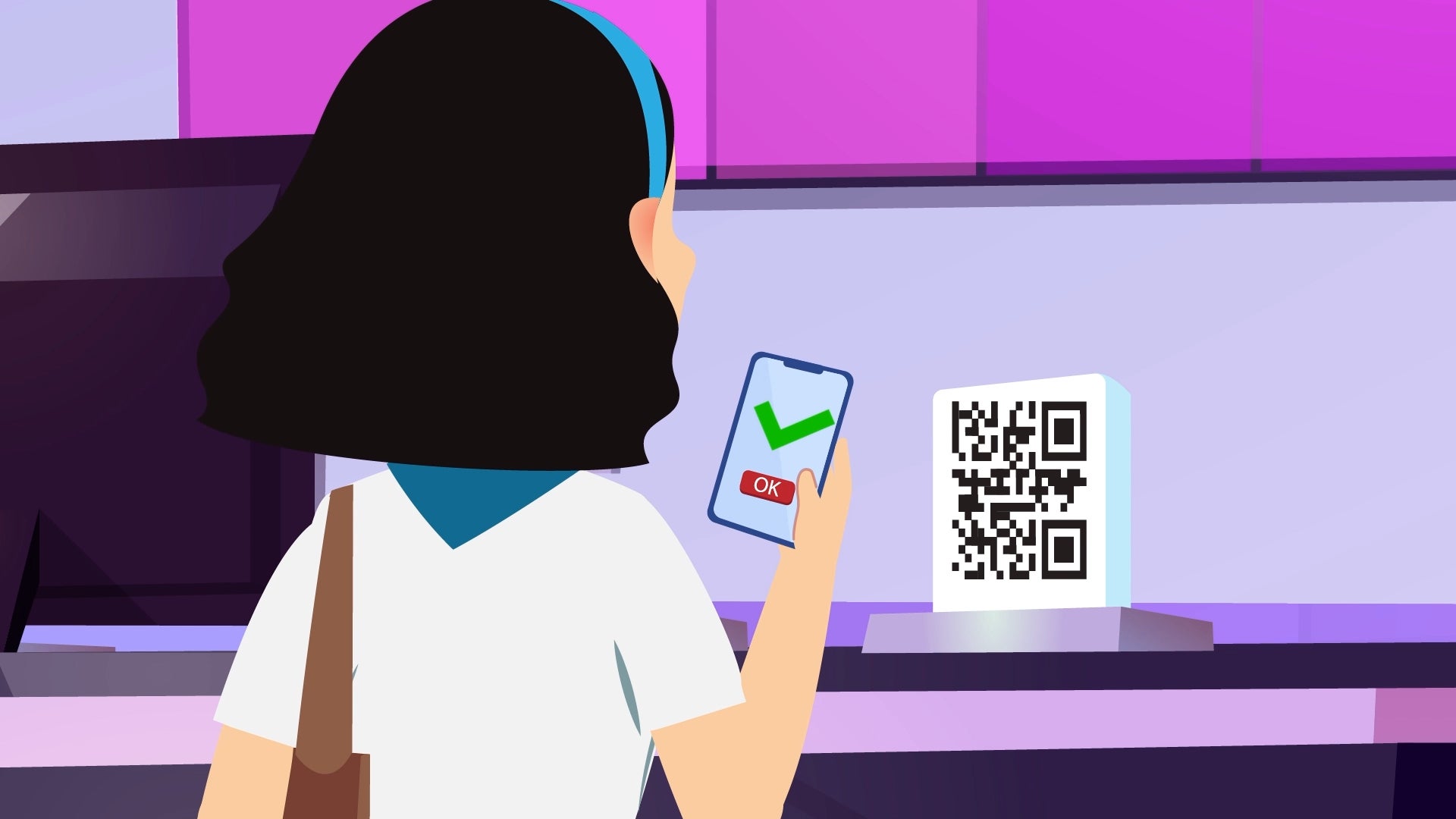
Recently, a case was confirmed in which a "fake QR code sticker" attached to an advertisement inside a Keio Line train led to an unrelated website. The fact that a fake code was attached to an advertisement poster that is supposed to be highly trustworthy shows that anyone can become a victim. According to the National Consumer Affairs Center, there have been reports of fraud in all sorts of everyday situations, such as fake mail order sites encouraging refunds, replacing payment codes, and flyers for "rent changes" to apartment complexes. Many of these involve fraudulent money transfers or the theft of personal information and credit card information, and there have been confirmed cases in which victims have become victims without even realizing it.
"QR code fraud is one of the most common cyber risks that anyone can fall victim to in their daily lives. We believe that risk to society as a whole can be reduced not only through technological defenses, but also through people's understanding and action. Having the right knowledge and a high level of security awareness on a daily basis will protect you from danger." -- Jonathan Hiroshi Rossi , co -
founder of SAYA University
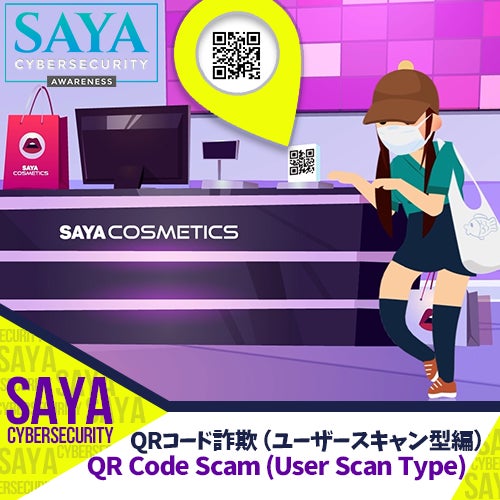
SAYA's learning library offers several animated micro-learning courses on the topic of QR code fraud.
These videos are based on actual cases of damage, and describe potential problems and solutions from the perspectives of both companies (service providers) and individual users (users). Each video takes just a few minutes to complete, and there is also a quiz after viewing to deepen understanding of the content.
By using the search function, you can instantly find the topic you are looking for and study it in your spare time.
SAYA University provides cybersecurity education not only to companies and local governments, but also to households and individuals. In order to prepare for threats that can happen to anyone, such as QR code fraud, the university aims to equip everyone with the knowledge they need to live safely in a digital society through micro-learning that can be learned in a short amount of time in everyday life.
About SAYA University
SAYA University is Japan's largest library of cybersecurity awareness content in Japanese, providing Japanese workers and their families with the ability to protect themselves online through animated micro-learning that incorporates short, memorable lessons into their daily work and life.
QR Code Scams Surge in Japan — SAYA University Warns:
“Everyday awareness is the strongest defense.”
In recent years, QR code–based scams have been rapidly increasing across Japan.
As QR codes become more common in daily life—for payments, orders, and login verification—cybercriminals are taking advantage of their convenience in increasingly sophisticated ways.
On October 21, 2025, a fake QR code sticker was found attached to a train advertisement on Tokyo’s Keio Line, directing users to an unrelated website.
The incident highlights the growing risk of fraud even in trusted spaces.
According to Japan’s National Consumer Affairs Center, recent cases include fake refund notices from online stores, altered payment codes, and fraudulent flyers claiming “rent payment method changes.”
Many of these scams involve unauthorized money transfers or the theft of personal and credit card information, with some victims unaware they have been compromised.
“QR code scams are among the most common cyber risks people face in everyday life.
We believe that beyond technical defenses, empowering people to understand and act correctly can reduce risks across society.
Having the right knowledge and awareness on a daily basis is the most effective way to stay protected.”
— Jonathan Hiroshi Rossi, Co-Founder, SAYA University
SAYA University’s learning library offers multiple anime-based micro-learning modules on the topic of QR code scams.
These short lessons, inspired by real-world incidents, explore both sides of an attack — from the perspective of companies providing services and of individual users.
Each video takes only a few minutes to complete and includes an interactive quiz to deepen understanding.
Learners can easily find topics of interest using the search function and study during short breaks throughout the day.
SAYA University delivers practical cybersecurity education not only for corporations and governments, but also for households and individuals.
Through short, everyday micro-learning sessions, the platform helps everyone build the knowledge they need to navigate the digital world safely — preparing for real threats such as QR code scams that can affect anyone.
About Saya University
SAYA University is Japan’s largest Japanese-language cybersecurity awareness platform, offering one of the world’s most extensive libraries of micro-learning content.
Through short, anime-based lessons, SAYA integrates memorable cybersecurity learning into everyday life, empowering Japan’s workforce and families to stay safe online.
Media Contact
SAYA Cybersecurity Awareness
Email: Yuka@SayaUniversity.com
Email: Safety@SayaUniversity.com